Top 20 Mobile & At-Home Diagnostics Providers 2026

Review categories
- Diagnostic Imaging Providers
- Pathology & Laboratory Networks
- Genetic Testing & Genomics Providers
- Preventive Health Screening Providers
- Precision Medicine Diagnostics Providers
- Clinical Trial & Research Laboratories
- Mobile & At-Home Diagnostics Providers
- AI-Enabled Diagnostics Providers
[email protected]
Authored on
Modified
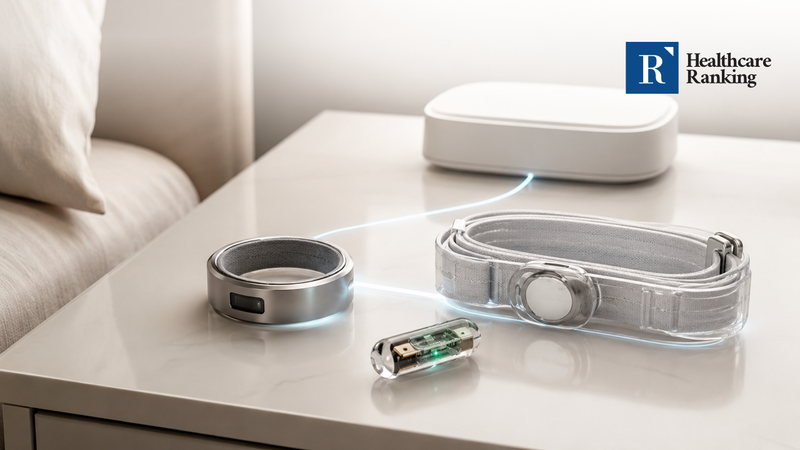
This report forms part of the Ranking News Healthcare Ranking series, which evaluates hospitals, medical institutions, pharmaceutical organizations, medical technology companies, diagnostics providers, laboratories, precision medicine platforms, and healthcare systems across global healthcare markets.
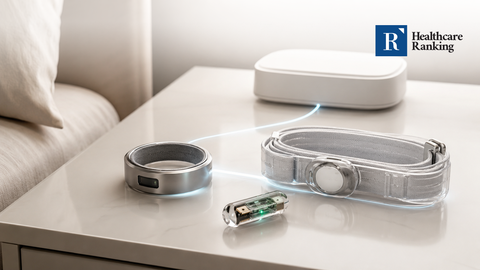
Mobile and at-home diagnostics providers occupy a growing position within healthcare as testing, monitoring, imaging, and sample collection move beyond hospitals, clinics, and centralized laboratories. These providers support patients, physicians, employers, health plans, senior care facilities, home-based care programs, and digital health platforms by enabling diagnostic access outside conventional healthcare settings.
Unlike traditional laboratory or imaging networks, mobile and at-home diagnostics providers focus on convenience, decentralized access, specimen logistics, home collection, portable imaging, remote monitoring, digital ordering, and integration with clinical workflows. Their services may include mobile phlebotomy, at-home lab collection, home diagnostic kits, portable X-ray, portable ultrasound, remote sample collection, employer testing, chronic disease monitoring, virtual care diagnostics, and hospital-at-home support.
The sector has become more important as healthcare systems face capacity constraints, aging populations, rural access gaps, chronic disease burdens, and patient demand for convenience. At-home diagnostics can help close care gaps by bringing testing to patients who may otherwise delay or avoid care. Mobile diagnostics can also support nursing homes, assisted living facilities, home health programs, urgent care, and complex care-at-home models.
This ranking identifies mobile and at-home diagnostics providers whose platforms demonstrate sustained relevance across decentralized testing, specimen collection, portable diagnostics, clinical integration, digital access, laboratory partnerships, and home-based care support. Rather than focusing only on consumer visibility, the objective is to recognize organizations whose diagnostic models contribute meaningfully to the evolving healthcare delivery ecosystem.
Market Overview
The mobile and at-home diagnostics sector has expanded across several distinct models. The first is mobile phlebotomy and at-home specimen collection. Providers such as Getlabs and Quest Mobile allow patients to complete physician-ordered laboratory testing at home or in the workplace. Getlabs states that it sends mobile phlebotomists to draw labs at home and delivers specimens to Labcorp and Quest Diagnostics for testing, while Quest Mobile provides in-home sample collection for laboratory testing and preventive screening.
The second model is portable diagnostics for care facilities and home-based patients. TridentCare describes itself as a national provider of portable and mobile diagnostic services, including portable X-ray, ultrasound, phlebotomy, PICC and midline insertions, and laboratory services. The company has also been described as operating in 40 states and serving a wide range of patients and clients through mobile imaging, phlebotomy, laboratory, and vascular services.
The third model is consumer-directed at-home testing. Companies such as Everlywell, LetsGetChecked, Labcorp OnDemand, Pixel by Labcorp, myLAB Box, and similar platforms allow individuals to order selected health tests, collect samples at home, and receive results digitally. These services are especially common in sexual health, hormones, fertility, nutrition, general wellness, metabolic health, and infectious disease testing.
The fourth model is diagnostics embedded in virtual care and home-based medical platforms. DispatchHealth and Medically Home closed their merger in 2025, creating a national platform for complex care at home, including hospital-level care at home, readmission reduction, and support for patients with serious health concerns. Diagnostic capability is central to such models because clinicians need laboratory tests, imaging, monitoring, and rapid escalation pathways to manage patients safely outside hospital walls.
The fifth model is employer, insurer, and chronic care testing. Mobile diagnostics can improve adherence by reducing friction in routine testing, annual wellness screening, chronic disease monitoring, and value-based care programs. Labcorp’s discussion of Getlabs highlights at-home lab testing and mobile phlebotomy as a way to enhance patient adherence and remote diagnostic workflows.
Industry Trend — 2026
The mobile and at-home diagnostics industry in 2026 is shaped by five major trends: decentralization, hospital-at-home growth, consumer testing, payer-driven gap closure, and integration with major laboratory networks.
First, healthcare diagnostics are becoming more decentralized. Many patients do not need to visit a hospital, clinic, or laboratory service center for routine blood draws, basic sample collection, or selected diagnostic tests. Mobile phlebotomy and home collection platforms reduce travel burden, improve convenience, and support patients with mobility limitations, busy schedules, or chronic disease monitoring needs.
Second, hospital-at-home and complex care-at-home models are increasing the need for mobile diagnostics. Acute and post-acute care delivered at home requires timely lab testing, imaging, vital sign monitoring, and care coordination. Providers that can bring diagnostic capability to the patient’s home or care facility are becoming important infrastructure partners for home-based medical care.
Third, consumer-directed testing continues to grow. Patients increasingly expect digital ordering, home collection, transparent pricing, and online results. However, the category remains clinically sensitive because not all consumer-ordered tests are equally useful, and abnormal results may require physician interpretation, confirmatory testing, or specialist follow-up.
Fourth, payers and value-based care organizations are using mobile diagnostics to close care gaps. Patients with diabetes, kidney disease, cardiovascular risk, medication monitoring needs, or preventive screening gaps may fail to complete testing when it requires separate clinic visits. Mobile collection can improve completion rates and support risk adjustment, chronic care management, and preventive health programs.
Fifth, partnerships with large laboratories are becoming strategically important. Mobile collection providers often depend on established laboratory networks for test processing, quality systems, payer integration, and physician reporting. Getlabs’ relationships with Labcorp and Quest illustrate how decentralized collection can extend the reach of centralized laboratory infrastructure.
Methodology — Core Eligibility Criteria
To ensure structural consistency within the category, organizations considered for this ranking were evaluated based on the following eligibility conditions:
- Operates primarily as a mobile diagnostics provider, at-home testing platform, mobile phlebotomy company, portable imaging provider, home diagnostic kit provider, or decentralized diagnostic services platform
- Provides services such as at-home lab collection, mobile phlebotomy, portable X-ray, portable ultrasound, home sample kits, digital test ordering, remote diagnostic workflows, or hospital-at-home diagnostic support
- Maintains meaningful institutional scale through multi-region operations, laboratory partnerships, payer relationships, health system partnerships, employer programs, or consumer-facing testing platforms
- Demonstrates relevance in home-based care, preventive testing, chronic disease monitoring, urgent care-at-home, senior care diagnostics, employer screening, or consumer-directed diagnostics
- Maintains systems for clinical governance, specimen integrity, laboratory quality, data security, patient identity verification, result reporting, and follow-up coordination
Pure wellness apps, supplement brands, non-clinical health trackers, single-location mobile services, and testing brokers without meaningful diagnostic infrastructure were generally excluded.
Methodology — Ranking Factors
Organizations included in the ranking were evaluated using a combination of qualitative and structural considerations rather than short-term consumer visibility alone. Key factors considered include:
- Scale and geographic reach of mobile or at-home diagnostic services
- Breadth of testing, collection, imaging, and home-based diagnostic capabilities
- Strength of laboratory, payer, physician, health system, or employer partnerships
- Role in decentralized care, hospital-at-home, chronic disease monitoring, or preventive screening
- Clinical governance, specimen logistics, quality assurance, and data security
- Digital ordering, scheduling, result delivery, and patient experience infrastructure
- Ability to serve high-need populations, senior care settings, and hard-to-reach patients
- Institutional stability, brand reputation, and long-term platform resilience
The objective of the ranking is to identify mobile and at-home diagnostics providers whose platforms maintain sustained relevance within the global healthcare ecosystem.
The Healthcare Ranking Top 20 Mobile & At-Home Diagnostics Providers 2026 ranking evaluates organizations providing decentralized diagnostic testing, mobile collection, portable imaging, at-home diagnostics, and home-based care diagnostic support.
The ranking universe consisted of approximately 100 mobile and at-home diagnostics providers globally, from which 20 organizations were selected for inclusion.
Tier classifications reflect relative institutional positioning within the mobile and at-home diagnostics provider segment and do not represent clinical outcome rankings, patient recommendations, or investment recommendations.
Tier I — Leading Mobile & At-Home Diagnostics Providers
Getlabs
- Headquarters: Miami, United States
- Founded: 2018
- Core focus: Mobile phlebotomy, at-home lab collection, remote diagnostics
Getlabs is one of the most important mobile phlebotomy and at-home laboratory collection providers in the United States. The company enables patients to schedule at-home blood draws and specimen collection, with samples delivered to major laboratory partners including Labcorp and Quest Diagnostics for processing.
Getlabs’ strength lies in its focused role as a logistics and patient-access layer for laboratory medicine. Rather than operating as a full laboratory network itself, it extends the reach of established labs by bringing specimen collection to patients’ homes and workplaces. This model directly addresses one of the most common barriers to diagnostic completion: the need to travel to a patient service center.
The company is particularly relevant for chronic disease monitoring, preventive testing, employer health programs, older adults, mobility-limited patients, and digital health platforms that need laboratory testing without requiring in-person clinic visits. Getlabs states that its mobile phlebotomists draw labs at home and deliver specimens to Labcorp and Quest Diagnostics, with same-day and nationwide availability.
Getlabs’ laboratory partnerships, mobile collection focus, digital scheduling, and role in improving diagnostic adherence support its position as a leading mobile and at-home diagnostics provider in 2026.
Quest Mobile
- Headquarters: Secaucus, United States
- Founded: 1967
- Core focus: In-home sample collection, laboratory testing, preventive screening
Quest Mobile is a major at-home diagnostics platform supported by Quest Diagnostics’ national laboratory infrastructure. The service provides in-home sample collection for laboratory testing and preventive screening, allowing patients to access testing without visiting a traditional patient service center.
Quest Mobile’s strength lies in its connection to one of the largest diagnostic laboratory networks in the United States. At-home sample collection can only scale clinically when it is backed by reliable testing, specimen logistics, medical reporting, payer integration, and secure data infrastructure. Quest provides this foundation.
The service is especially relevant for patients who need routine laboratory testing but face time, mobility, transportation, or access barriers. Quest states that in-home sample collection through Quest Mobile allows patients to receive laboratory testing and preventive screenings in the setting that works best for them.
Quest Mobile’s national laboratory backing, patient access infrastructure, clinical credibility, and integration with Quest’s broader diagnostic information platform support its Tier I position.
TridentCare
- Headquarters: Sparks Glencoe, United States
- Founded: 1999
- Core focus: Portable imaging, mobile diagnostics, phlebotomy, laboratory services
TridentCare is one of the leading portable diagnostic services providers in the United States. The company serves healthcare providers across multiple care settings with portable X-ray, ultrasound, phlebotomy, PICC and midline insertion services, laboratory services, and mobile diagnostic support.
TridentCare’s strength lies in its breadth. Unlike at-home testing platforms that focus mainly on sample kits or blood draws, TridentCare provides mobile imaging and diagnostic services to patients and facilities that need clinical information without transport to a hospital or imaging center. This is especially important in skilled nursing facilities, assisted living communities, home health settings, rehabilitation centers, and other post-acute environments.
The company describes itself as a national leader in portable and mobile diagnostic services, with imaging results reviewed by board-certified radiologists and laboratory findings processed in CLIA-certified laboratories.
TridentCare’s portable imaging capability, care-facility relevance, clinical service breadth, and national operating footprint support its position as a leading mobile diagnostics provider.
DispatchHealth / Medically Home
- Headquarters: Denver / Boston, United States
- Founded: 2013 / 2016
- Core focus: Complex care at home, hospital-at-home diagnostics, urgent care-at-home support
DispatchHealth and Medically Home together represent one of the most important platforms in complex care at home and hospital-level care delivered outside traditional facilities. Their 2025 merger created a national platform focused on delivering complex care in the home, reducing unnecessary emergency visits, enabling inpatient-level care at home, and lowering readmission rates.
Although the combined company is broader than a diagnostics provider, diagnostic capability is central to its care model. Home-based acute care requires laboratory testing, imaging coordination, monitoring, medication management, escalation protocols, and physician-led decision-making. Without reliable diagnostics, complex care at home cannot safely replace hospital or emergency department care.
The platform’s relevance lies in its integration of diagnostics with care delivery. Rather than treating at-home testing as a standalone consumer product, DispatchHealth / Medically Home embeds diagnostics into clinical workflows for serious and complex patient needs.
Its national presence, health system relationships, care-at-home orientation, and diagnostic dependency support its inclusion among the leading mobile and at-home diagnostics providers.
Labcorp At-Home and Mobile Diagnostics Platform
- Headquarters: Burlington, United States
- Founded: 1978
- Core focus: At-home testing, mobile collection partnerships, laboratory diagnostics
Labcorp is a major player in mobile and at-home diagnostics through its laboratory infrastructure, direct-to-consumer testing capabilities, at-home collection services, and partnerships with mobile phlebotomy providers such as Getlabs. Labcorp’s role is especially important because decentralized testing ultimately depends on high-quality centralized laboratory processing.
Labcorp’s strength lies in its ability to connect at-home collection with clinical laboratory scale. Patients can access selected at-home testing and mobile collection options, while physicians, digital health companies, and employers can use Labcorp’s test menu and reporting infrastructure to support remote diagnostic workflows.
Labcorp’s own materials note that trained Getlabs phlebotomists can draw labs at home or office and deliver them directly to Labcorp, while separate Labcorp content describes mobile phlebotomy as helping transform remote diagnostics and improve patient adherence.
Labcorp’s laboratory credibility, national testing infrastructure, mobile collection partnerships, and role in remote diagnostics support its position among leading providers in this category.
Tier II — Established Mobile & At-Home Diagnostics Providers
(Alphabetical order)
BioReference Health / Scarlet Health
- Headquarters: Elmwood Park, United States
- Founded: 1981
- Core focus: Mobile phlebotomy, at-home lab collection, clinical laboratory testing
BioReference Health, through Scarlet Health and related mobile collection capabilities, has been an important provider of at-home and on-site laboratory collection services. Its platform connects mobile phlebotomy and specimen collection with clinical laboratory testing, particularly in regional markets where BioReference maintains laboratory operations.
The company’s relevance lies in its ability to combine established laboratory services with mobile access. At-home diagnostics depend on specimen quality, collection reliability, laboratory processing, and secure result reporting, all of which require clinical laboratory infrastructure.
BioReference’s continued presence in oncology, urology diagnostics, and regional laboratory services also supports its role in more specialized diagnostic pathways. Its mobile collection capabilities make it a meaningful participant in the at-home diagnostics segment.
Current Health
- Headquarters: Edinburgh / Boston
- Founded: 2015
- Core focus: Remote patient monitoring, hospital-at-home support, home-based clinical data
Current Health, part of Best Buy Health, is a home-based care technology platform focused on remote patient monitoring and clinical data collection. While it is not a laboratory or imaging provider, it is relevant to mobile and at-home diagnostics because remote monitoring generates diagnostic and clinical signals for care teams managing patients outside hospitals.
The platform supports vital sign monitoring, home-based clinical oversight, patient engagement, and hospital-at-home workflows. In decentralized care, diagnostic information increasingly includes continuous physiological data, not only laboratory or imaging results.
Current Health’s relevance lies in enabling home-based clinical decision-making. Its technology supports healthcare organizations that need to monitor patient status, detect deterioration, and coordinate intervention remotely.
Everlywell
- Headquarters: Austin, United States
- Founded: 2015
- Core focus: Consumer at-home lab testing, wellness testing, sexual health, hormones
Everlywell is one of the most visible consumer at-home lab testing brands in the United States. The company offers at-home sample collection kits across categories such as sexual health, hormones, women’s health, men’s health, food sensitivity, metabolic health, and general wellness.
Everlywell’s strength lies in consumer access and digital experience. It helped popularize the model of ordering tests online, collecting samples at home, and receiving results through a digital platform. This model appeals to consumers seeking convenience, privacy, and more direct control over selected health testing.
The company’s relevance is strongest in low-acuity and wellness-oriented testing rather than complex medical diagnostics. Its inclusion reflects the importance of consumer-directed at-home diagnostics within the broader decentralized testing ecosystem.
Hims & Hers Health Diagnostics Platform
- Headquarters: San Francisco, United States
- Founded: 2017
- Core focus: Digital health, preventive lab testing, consumer diagnostics
Hims & Hers Health has expanded from digital prescribing and telehealth into preventive laboratory testing and biomarker-based health programs. The company’s move into lab testing reflects a broader shift among digital health platforms toward diagnostics, longitudinal health data, and personalized care pathways.
Recent reporting described Hims & Hers as expanding into lab testing through a partnership with Quest Diagnostics, offering annual subscription tiers for biomarker testing related to heart health, metabolism, hormones, stress, and other areas.
The company’s relevance lies in its ability to integrate testing with telehealth, digital care plans, and consumer engagement. Rather than operating as a standalone laboratory, Hims & Hers uses diagnostics as part of a broader digital healthcare model.
ixlayer
- Headquarters: San Francisco, United States
- Founded: 2018
- Core focus: At-home testing infrastructure, digital diagnostics, health system and employer testing
ixlayer is a digital diagnostics infrastructure company that supports at-home testing programs for health systems, employers, laboratories, and consumer health brands. Its platform helps organizations manage test ordering, kit fulfillment, sample tracking, digital results, and program workflows.
The company’s relevance lies in infrastructure rather than consumer brand recognition. Many healthcare organizations want to offer at-home testing but lack the digital and operational systems required to manage collection kits, lab integration, compliance, and results delivery. ixlayer supports that layer of the market.
Its position reflects a broader trend: at-home diagnostics is not only about test kits, but also about software, logistics, identity verification, lab connectivity, and longitudinal data integration.
LetsGetChecked
- Headquarters: Dublin / New York
- Founded: 2015
- Core focus: At-home health testing, virtual care, pharmacy-linked diagnostics
LetsGetChecked is a major at-home diagnostics provider offering home sample collection kits across sexual health, hormones, fertility, general health, metabolic markers, and other testing categories. The company combines at-home diagnostics with digital results and clinical support.
Its strength lies in the integration of testing, telehealth, and follow-up services. At-home testing becomes more clinically useful when results are connected to medical review, prescriptions, and ongoing care where appropriate.
LetsGetChecked has built a recognized cross-border consumer diagnostics brand, with relevance across both U.S. and European markets. Its digital-first model places it among established at-home testing providers.
Life Line Screening
- Headquarters: Independence, United States
- Founded: 1993
- Core focus: Mobile preventive screening, vascular screening, community diagnostics
Life Line Screening is a community-based mobile preventive screening provider focused on detecting risk factors for cardiovascular disease, stroke risk, peripheral artery disease, osteoporosis, and other conditions. Its model brings screening services into community locations rather than requiring patients to visit hospitals or specialty diagnostic centers.
The company’s relevance lies in mobile access and preventive screening. Although its services differ from laboratory-based at-home testing, Life Line Screening is part of the broader movement toward decentralized diagnostics and early risk identification.
Its model is particularly relevant for adults seeking convenient vascular and preventive screening outside traditional healthcare pathways.
myLAB Box
- Headquarters: Los Angeles, United States
- Founded: 2014
- Core focus: At-home STD testing, wellness testing, consumer diagnostics
myLAB Box is a consumer at-home diagnostics provider focused especially on sexual health testing, along with selected wellness and general health testing categories. Its platform emphasizes privacy, home sample collection, and digital access to results.
The company’s relevance lies in a category where at-home testing has clear patient value: sexual health. Privacy, convenience, and reduced stigma can increase testing completion among individuals who may avoid in-person clinic visits.
myLAB Box’s focused consumer diagnostic model supports its inclusion among established mobile and at-home diagnostics providers.
Sprinter Health
- Headquarters: Menlo Park, United States
- Founded: 2021
- Core focus: In-home diagnostics, care gap closure, vitals and specimen collection
Sprinter Health is an in-home healthcare services company focused on diagnostics, preventive care, care gap closure, and health plan support. Its platform brings trained clinicians into patients’ homes to collect labs, perform vitals, support screenings, and help close quality and risk gaps.
The company’s relevance lies in payer and value-based care applications. Health plans and risk-bearing providers need members to complete screenings, blood tests, kidney monitoring, diabetes labs, colorectal screening, and other preventive measures. In-home services can improve completion by reducing logistical barriers.
Sprinter Health’s care gap orientation, home visit model, and diagnostic collection capabilities support its position among established providers in this category.
TytoCare
- Headquarters: New York / Netanya
- Founded: 2012
- Core focus: Remote examination devices, virtual care diagnostics, home clinical assessment
TytoCare provides remote examination technology that enables clinicians to perform guided virtual assessments using connected diagnostic devices. Its platform can support examinations of the heart, lungs, ears, throat, skin, and temperature in home, school, employer, and virtual care settings.
The company’s relevance lies in home-based diagnostic enablement. Not all at-home diagnostics involve laboratory specimens; remote physical examination and connected clinical devices are increasingly important for virtual care, pediatrics, urgent care, chronic care, and employer health.
TytoCare’s device-enabled virtual examination model supports its inclusion among established mobile and at-home diagnostics providers.
Tier III — Specialist Mobile & At-Home Diagnostics Providers
(Alphabetical order)
- Ceras Health
- Cue Health
- Healthy.io
- imaware
- Scan.com
Remarks
Mobile and at-home diagnostics providers continue to gain relevance as healthcare shifts toward decentralized access, home-based care, digital ordering, remote monitoring, and patient convenience. These organizations extend diagnostic services beyond traditional laboratories, imaging centers, and hospitals, helping patients complete tests in settings that better fit their clinical needs and daily lives.
The organizations recognized in this ranking represent providers whose platforms maintain sustained relevance across mobile phlebotomy, at-home lab collection, portable imaging, consumer diagnostics, remote examination, hospital-at-home support, and care gap closure. Tier classification reflects relative institutional positioning within the mobile and at-home diagnostics provider sector rather than direct clinical quality rankings.
Tier classification reflects relative service breadth, geographic reach, laboratory integration, clinical governance, digital access, specimen logistics, payer relevance, and long-term platform resilience. The ranking does not constitute a medical recommendation, patient referral guidance, investment recommendation, or endorsement of any specific diagnostic test.
Recognition
Organizations included in the Top 20 Mobile & At-Home Diagnostics Providers 2026 ranking may request information regarding authorized use of the Ranking News designation for marketing and communications purposes.
Recognized institutions may reference the designation in:
- corporate websites
- investor communications
- marketing materials
- institutional presentations
- academic and recruitment materials
Ranking inclusion is editorially determined and independent of licensing, advertising, or commercial participation. Recognition-materials licenses govern only the use of official Ranking News / Healthcare Ranking assets, approved wording, and related communications materials.
Licensing inquiries:
[email protected]

Review categories
- Diagnostic Imaging Providers
- Pathology & Laboratory Networks
- Genetic Testing & Genomics Providers
- Preventive Health Screening Providers
- Precision Medicine Diagnostics Providers
- Clinical Trial & Research Laboratories
- Mobile & At-Home Diagnostics Providers
- AI-Enabled Diagnostics Providers
[email protected]
Similar Post