Top 20 Cell & Gene Therapy Developers 2026

Review categories
- Global Pharmaceutical Companies
- Biotechnology Firms
- Specialty Pharma Companies
- Vaccine & Immunotherapy Developers
- Contract Research Organizations
- Biomanufacturing & CDMO Providers
- Cell & Gene Therapy Developers
- Rare Disease & Orphan Drug Developers
[email protected]
Authored On
Modified
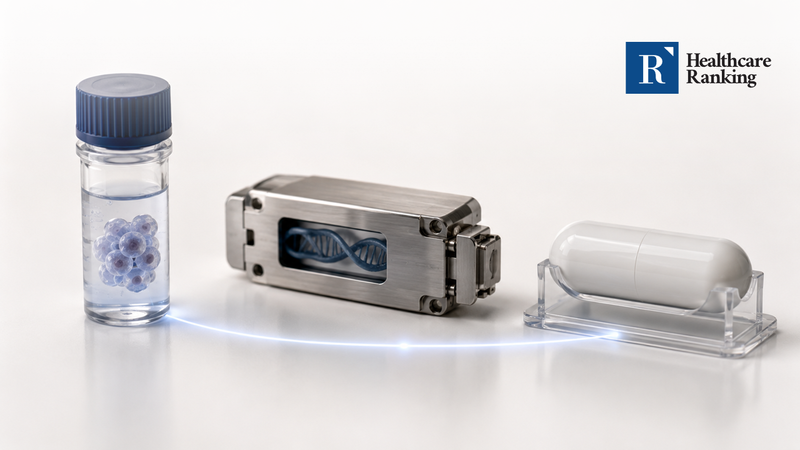
This report forms part of the Ranking News Healthcare Ranking series, which evaluates hospitals, medical institutions, pharmaceutical organizations, medical technology companies, diagnostics providers, laboratories, precision medicine platforms, pharmaceutical services providers, and healthcare systems across global healthcare markets.
Cell and gene therapy developers occupy one of the most scientifically advanced segments of modern healthcare. These companies develop therapies designed to modify, replace, edit, engineer, or regulate human cells and genes in order to treat disease at a biological source rather than only managing symptoms. The sector includes in vivo gene therapies, ex vivo gene-edited cell therapies, CAR-T and TCR-T cell therapies, hematopoietic stem cell gene therapies, gene editing, base editing, prime editing, RNA editing, viral vector platforms, and next-generation cellular immunotherapies.
Unlike conventional pharmaceutical companies, cell and gene therapy developers face a distinctive combination of scientific, manufacturing, regulatory, clinical, and commercial challenges. Many therapies require individualized production, specialized treatment centers, long-term patient follow-up, complex reimbursement models, and highly controlled manufacturing systems. Their institutional relevance is determined not only by pipeline novelty, but also by clinical evidence, regulatory approvals, delivery feasibility, manufacturing reliability, patient access, and long-term safety monitoring.
The field has moved from experimental promise into commercial reality. FDA’s list of approved cellular and gene therapy products includes multiple gene therapies and cell therapies, including Zolgensma, Zynteglo, Yescarta, Kymriah, Abecma, Carvykti, Casgevy, Lyfgenia, and others, illustrating the sector’s transition into regulated clinical practice. FDA’s approval of Casgevy and Lyfgenia for sickle cell disease in 2023 marked a major milestone, with Casgevy becoming the first FDA-approved CRISPR-based therapeutic.
This ranking identifies cell and gene therapy developers whose platforms demonstrate sustained relevance across approved therapies, late-stage clinical assets, genetic medicine platforms, cell therapy manufacturing, regulatory execution, and long-term therapeutic innovation. Rather than focusing only on scientific novelty, the objective is to recognize organizations whose cell and gene therapy platforms are commercially and institutionally meaningful within global healthcare.
Market Overview
The cell and gene therapy market continues to expand as scientific advances in viral vectors, stem cell engineering, CRISPR editing, CAR-T therapy, TCR-T therapy, and genetic delivery systems move into clinical and commercial settings. Market estimates vary by definition, but recent industry forecasts place the global cell and gene therapy market at approximately USD 8.94 billion in 2025, with projected growth toward more than USD 47 billion by 2035.
Commercially, the field is now anchored by several approved therapies and leading developers. Novartis helped establish commercial gene therapy and CAR-T therapy through Zolgensma and Kymriah. Gilead’s Kite Pharma remains one of the leading cell therapy platforms through Yescarta and Tecartus. Bristol Myers Squibb has built a major cell therapy presence through Abecma and Breyanzi. Johnson & Johnson and Legend Biotech have become central players through Carvykti, one of the most important BCMA CAR-T therapies in multiple myeloma.
Gene editing has become a defining frontier. Vertex Pharmaceuticals and CRISPR Therapeutics jointly developed Casgevy, the first approved CRISPR-based therapy, for sickle cell disease and transfusion-dependent beta-thalassemia. The approval of Casgevy created a major validation point for CRISPR medicine, although commercialization remains complex because eligible patients require stem cell collection, conditioning chemotherapy, specialized treatment centers, and long-term follow-up.
The sector also includes next-generation gene editing and delivery companies such as Intellia Therapeutics, Beam Therapeutics, Editas Medicine, Prime Medicine, Rocket Pharmaceuticals, Regenxbio, 4D Molecular Therapeutics, and Sarepta Therapeutics. These companies are developing platforms across in vivo editing, base editing, rare disease gene therapy, ophthalmology, neuromuscular disease, cardiovascular disease, and inherited metabolic disorders.
Commercial execution remains a challenge. Several approved gene therapies have faced slower-than-expected uptake because of high prices, reimbursement complexity, limited treatment infrastructure, manufacturing constraints, and patient-selection challenges. Recent sector commentary has noted both major breakthroughs, such as Casgevy and Elevidys, and commercialization struggles among earlier gene therapy companies, including bluebird bio’s restructuring and BioMarin’s decision to divest Roctavian after disappointing uptake.
Industry Trend — 2026
The cell and gene therapy industry in 2026 is shaped by five major trends: commercial infrastructure, next-generation editing, autoimmune cell therapy, manufacturing scalability, and pharmaceutical partnership activity.
First, commercial infrastructure has become as important as scientific proof of concept. Approved therapies must be delivered through qualified centers, manufactured reliably, reimbursed by payers, and monitored over many years. The field has learned that regulatory approval alone does not guarantee commercial success. Companies with treatment-center networks, payer capabilities, manufacturing discipline, and patient-support systems are better positioned.
Second, next-generation editing technologies are moving forward. CRISPR nuclease editing has already reached the market through Casgevy, while base editing, prime editing, epigenetic editing, and RNA editing are moving through clinical and preclinical development. Companies such as Beam Therapeutics, Prime Medicine, Intellia Therapeutics, CRISPR Therapeutics, and emerging editing platforms are competing to improve precision, safety, delivery, and disease applicability.
Third, cell therapy is expanding beyond oncology. CAR-T therapy first gained traction in hematologic malignancies, but the field is increasingly exploring autoimmune disease, inflammatory disease, transplant medicine, and other immune-mediated conditions. Companies such as Kyverna Therapeutics, Cabaletta Bio, Nkarta, and Cartesian Therapeutics are part of this broader movement toward immune-resetting cell therapies.
Fourth, manufacturing scalability remains a bottleneck. Autologous cell therapies require patient-specific manufacturing, while in vivo gene therapies require viral vector or nonviral delivery capacity. Quality control, batch consistency, release testing, cryopreservation, logistics, and cost of goods remain central challenges. Developers with internal manufacturing capability or strong CDMO partnerships have strategic advantages.
Fifth, pharmaceutical partnership and acquisition activity remains important. Large pharmaceutical companies increasingly use partnerships and acquisitions to access gene editing, cell therapy, viral vector, and delivery technologies. Eli Lilly’s agreement to acquire Verve Therapeutics for up to $1.3 billion, focused on CRISPR-based cardiovascular gene editing, illustrates continued strategic interest in the field despite commercial and regulatory risk.
Methodology — Core Eligibility Criteria
To ensure structural consistency within the category, organizations considered for this ranking were evaluated based on the following eligibility conditions:
- Operates as a cell therapy, gene therapy, gene editing, cellular immunotherapy, genetic medicine, or advanced therapeutic developer
- Maintains significant activity in CAR-T, TCR-T, stem cell gene therapy, viral vector gene therapy, CRISPR editing, base editing, prime editing, RNA editing, or related genetic medicine platforms
- Demonstrates meaningful relevance through approved products, late-stage clinical assets, proprietary platforms, major partnerships, manufacturing capability, or regulatory milestones
- Maintains scientific or commercial capability in therapeutic development, genetic engineering, cell processing, vector delivery, manufacturing, clinical trial execution, or long-term safety monitoring
- Represents a specific license-targetable operating organization, rather than a broad platform category, academic consortium, informal network, or industry association
Pure CDMOs without therapeutic development programs, diagnostics-only firms, academic laboratories, research consortia, device manufacturers, and preclinical-only companies without sufficient platform maturity were generally excluded.
Methodology — Ranking Factors
Organizations included in the ranking were evaluated using a combination of qualitative and structural considerations rather than short-term market capitalization alone. Key factors considered include:
- Strength and maturity of cell or gene therapy platform
- Approved product base and commercial execution
- Late-stage pipeline depth and clinical development progress
- Scientific differentiation in gene editing, cell therapy, vector delivery, or genetic medicine
- Manufacturing capability, quality systems, and treatment-center readiness
- Regulatory execution and long-term safety monitoring infrastructure
- Strategic partnerships, pharmaceutical relevance, and acquisition attractiveness
- Financial resilience, institutional stability, and long-term platform relevance
The objective of the ranking is to identify cell and gene therapy developers whose platforms maintain sustained relevance within the global healthcare ecosystem.
The Healthcare Ranking Top 20 Cell & Gene Therapy Developers 2026 ranking evaluates companies based on approved therapies, platform depth, clinical pipeline strength, manufacturing readiness, regulatory execution, and long-term institutional relevance.
The ranking universe consisted of approximately 150 cell and gene therapy developers globally, from which 20 organizations were selected for inclusion.
Tier classifications reflect relative institutional positioning within the cell and gene therapy developer segment and do not represent clinical recommendations, investment recommendations, or endorsement of any specific therapy.
Tier I — Leading Global Cell & Gene Therapy Developers
Vertex Pharmaceuticals
- Headquarters: Boston, United States
- Founded: 1989
- Core focus: Gene editing, genetic disease, cystic fibrosis, sickle cell disease, beta-thalassemia
Vertex Pharmaceuticals has become one of the most important companies in cell and gene therapy through its partnership with CRISPR Therapeutics on Casgevy, the first approved CRISPR-based medicine. While Vertex is best known for cystic fibrosis medicines, its move into gene editing has positioned the company as a major commercial leader in genetic medicine.
Vertex’s strength lies in combining advanced therapeutic innovation with commercial infrastructure. Casgevy represents a major scientific milestone, but it is also a complex therapy requiring specialized collection, manufacturing, conditioning, infusion, and long-term monitoring. Vertex’s global regulatory, medical affairs, and payer capabilities give it advantages in scaling a therapy that smaller gene editing companies would struggle to commercialize alone.
The company’s genetic medicine relevance extends beyond Casgevy. Vertex’s broader strategy includes programs in kidney disease, pain, type 1 diabetes cell therapy, and additional genetically or biologically defined diseases. This gives it a platform-like position while maintaining the commercial discipline of a large specialty biopharmaceutical company.
Vertex’s approved CRISPR therapy, rare disease commercial expertise, regulatory execution, and genetic medicine expansion support its position as a Tier I cell and gene therapy developer in 2026.
Novartis Gene Therapies
- Headquarters: Basel, Switzerland
- Founded: 1996
- Core focus: Gene therapy, CAR-T therapy, rare disease, oncology cell therapy
Novartis remains one of the foundational global companies in cell and gene therapy. It played a defining role in commercializing both CAR-T therapy and systemic gene therapy through Kymriah and Zolgensma, two of the most recognized products in the sector.
Novartis’ strength lies in early leadership and global pharmaceutical infrastructure. Kymriah helped validate CAR-T therapy as a commercial oncology modality, while Zolgensma established gene replacement therapy as a transformative treatment model for spinal muscular atrophy. FDA continues to list Zolgensma and Kymriah among approved cellular and gene therapy products, underscoring Novartis’ continuing institutional role in the field.
The company also brings global regulatory, manufacturing, pharmacovigilance, and market access capabilities that are critical in advanced therapeutics. Cell and gene therapies require long-term follow-up, specialized treatment networks, and extensive safety management, all areas where large pharmaceutical infrastructure can matter.
Although competition has intensified, Novartis’ pioneering approved products, manufacturing experience, and global advanced therapy capabilities support its position among the leading cell and gene therapy developers.
Gilead Sciences / Kite Pharma
- Headquarters: Foster City, United States
- Founded: 1987
- Core focus: CAR-T therapy, oncology cell therapy, hematologic malignancies
Gilead Sciences, through Kite Pharma, is one of the leading global cell therapy developers. Kite’s CAR-T platform has become a central part of commercial cellular immunotherapy, with Yescarta and Tecartus among the established approved therapies in hematologic malignancies.
Kite’s strength lies in commercial cell therapy execution. CAR-T therapy is not simply a drug product; it is a manufacturing and care-delivery system involving patient-specific cell collection, engineering, release testing, logistics, infusion, toxicity management, and specialized oncology centers. Kite has built one of the most mature operating systems for this model.
Gilead’s broader oncology strategy has increasingly depended on cell therapy as a core pillar. Its experience with Yescarta gives it strong relevance in lymphoma and broader hematologic cancer care, while its pipeline and next-generation cell therapy programs continue to support long-term positioning.
Gilead / Kite’s approved CAR-T portfolio, manufacturing experience, oncology infrastructure, and global cell therapy execution support its Tier I position.
Bristol Myers Squibb
- Headquarters: Princeton, United States
- Founded: 1887
- Core focus: CAR-T therapy, hematology, oncology, multiple myeloma, lymphoma
Bristol Myers Squibb is one of the most important commercial cell therapy developers globally, with approved CAR-T therapies in hematologic malignancies and a major presence in multiple myeloma and lymphoma. Its cell therapy platform was significantly strengthened through its acquisition of Celgene, which brought key cellular therapy assets and infrastructure.
BMS’s strength lies in hematology and oncology depth. Cell therapy adoption is closely tied to specialist oncology networks, academic cancer centers, referral pathways, and toxicity-management expertise. BMS has strong relationships across these areas and a broad oncology portfolio that complements its cell therapy business.
The company’s approved CAR-T products, including Abecma and Breyanzi, place it among the most important commercial developers in cellular immunotherapy. FDA’s approved cellular and gene therapy list includes multiple BMS-related products, reflecting its regulated product base in the category.
Bristol Myers Squibb’s approved cell therapy portfolio, hematology presence, commercial infrastructure, and oncology pipeline support its position among the leading cell and gene therapy developers.
Sarepta Therapeutics
- Headquarters: Cambridge, United States
- Founded: 1980
- Core focus: Gene therapy, RNA-based therapy, Duchenne muscular dystrophy, neuromuscular disease
Sarepta Therapeutics is one of the most important rare disease and neuromuscular gene therapy developers. The company is strongly associated with Duchenne muscular dystrophy, where it has developed RNA-based exon-skipping therapies and gene therapy approaches for severe neuromuscular disease.
Sarepta’s strength lies in disease focus. Duchenne muscular dystrophy is a serious, progressive genetic disease requiring specialized physicians, patient community engagement, regulatory persistence, and long-term clinical development commitment. Sarepta has built one of the most concentrated therapeutic platforms in this area.
The company’s gene therapy program, Elevidys, has been one of the most closely watched products in the sector. Sector commentary entering 2026 noted Elevidys’ commercial momentum alongside broader gene therapy commercialization challenges, highlighting both the opportunity and the scrutiny faced by rare disease gene therapy developers.
Sarepta’s neuromuscular disease specialization, approved therapeutic base, gene therapy experience, and rare disease infrastructure support its Tier I position.
Tier II — Established Cell & Gene Therapy Developers
(Alphabetical order)
Beam Therapeutics
- Headquarters: Cambridge, United States
- Founded: 2017
- Core focus: Base editing, genetic disease, liver disease, hematology, oncology
Beam Therapeutics is one of the leading companies in base editing, a next-generation gene editing approach designed to make precise single-base changes without creating double-strand DNA breaks. This technology gives Beam a differentiated position within genetic medicine.
Beam’s platform is relevant across liver disease, hematology, immunology, oncology, and genetically defined disorders. The company’s value lies in its ability to develop editing approaches that may be more precise or controllable than first-generation nuclease editing in selected applications.
Although Beam is not yet a large commercial cell and gene therapy company, its technology platform and clinical-stage progress make it one of the most important established developers in next-generation editing. Industry rankings entering 2026 identify Beam among key clinical challengers in the cell and gene therapy sector.
Beam’s base editing platform, scientific differentiation, and clinical development progress support its inclusion among established cell and gene therapy developers.
BioMarin Pharmaceutical
- Headquarters: San Rafael, United States
- Founded: 1997
- Core focus: Gene therapy, rare disease, genetic disorders, hemophilia
BioMarin Pharmaceutical is a leading rare disease biotechnology company with significant relevance in gene therapy. The company has long focused on genetic and metabolic disorders, and its gene therapy work in hemophilia has placed it among the major developers in advanced rare disease medicine.
BioMarin’s strength lies in rare disease development and regulatory expertise. Gene therapies for rare diseases require patient identification, specialist treatment centers, genetic diagnostics, long-term follow-up, and specialized reimbursement pathways. BioMarin has deep experience in these areas.
The company’s hemophilia gene therapy experience has also highlighted the commercial challenges of advanced therapies. Sector commentary in 2026 noted BioMarin’s decision to divest Roctavian after disappointing uptake, reflecting the difficult path from approval to broad adoption in high-cost gene therapy markets.
BioMarin’s rare disease platform, gene therapy experience, regulatory expertise, and commercialization lessons support its inclusion among established developers.
bluebird bio / Genetix Biotherapeutics
- Headquarters: Somerville, United States
- Founded: 1992
- Core focus: Ex vivo gene therapy, sickle cell disease, beta-thalassemia, cerebral adrenoleukodystrophy
bluebird bio, now associated with restructuring and renamed Genetix Biotherapeutics in some sector commentary, remains one of the historically important companies in ex vivo gene therapy. The company developed approved therapies for beta-thalassemia, sickle cell disease, and cerebral adrenoleukodystrophy.
bluebird’s strength is scientific and regulatory pioneering. It helped validate lentiviral vector-based ex vivo gene therapy for severe inherited diseases and brought multiple products through FDA approval. FDA’s approved cellular and gene therapy list includes Zynteglo and Lyfgenia, demonstrating the company’s contribution to the approved gene therapy landscape.
At the same time, bluebird’s commercial history illustrates the difficulty of building a sustainable business around ultra-high-cost individualized gene therapies. Reimbursement friction, manufacturing complexity, limited eligible populations, and high infrastructure demands created major pressure on the company.
bluebird’s approved product legacy, scientific contribution, and continuing relevance to the commercialization lessons of gene therapy support its inclusion among established developers, although its business stability is weaker than leading Tier I firms.
CRISPR Therapeutics
- Headquarters: Zug, Switzerland / Cambridge, United States
- Founded: 2013
- Core focus: CRISPR gene editing, hemoglobinopathies, allogeneic cell therapy, immuno-oncology
CRISPR Therapeutics is one of the most important gene editing companies globally. Its partnership with Vertex on Casgevy established CRISPR editing as an approved therapeutic modality and marked one of the most important milestones in the history of genetic medicine.
The company’s strength lies in its CRISPR platform and clinical execution. Casgevy’s approval in sickle cell disease and transfusion-dependent beta-thalassemia demonstrated that CRISPR-based ex vivo editing could produce clinically meaningful outcomes and meet regulatory standards. Sector sources describe CRISPR Therapeutics as co-developer of the first FDA-approved CRISPR therapy.
Beyond Casgevy, the company is developing allogeneic cell therapy, oncology, cardiovascular, and autoimmune-related programs. Its challenge is to build a broader pipeline and commercial identity beyond the Vertex-partnered hemoglobinopathy franchise.
CRISPR Therapeutics’ platform validation, approved-product milestone, pipeline ambition, and role in gene editing history support its position among established cell and gene therapy developers.
Intellia Therapeutics
- Headquarters: Cambridge, United States
- Founded: 2014
- Core focus: In vivo CRISPR editing, rare disease, liver-directed gene editing
Intellia Therapeutics is a leading developer of in vivo CRISPR-based therapies. Unlike ex vivo approaches that modify cells outside the body, Intellia’s platform is focused on delivering gene editing components directly into patients, particularly for liver-expressed disease targets.
Intellia’s strength lies in its in vivo editing ambition. If successful, in vivo editing could offer a more scalable model than patient-specific ex vivo therapies, reducing manufacturing complexity and expanding applicability to broader disease categories.
The company’s clinical programs have made it one of the most closely watched gene editing developers. Sector rankings entering 2026 identify Intellia among clinical-stage gene editing challengers, with late-stage ambitions but also regulatory and clinical-risk considerations.
Intellia’s in vivo CRISPR platform, clinical progress, and potential to reshape genetic medicine delivery support its inclusion among established developers.
Johnson & Johnson / Legend Biotech
- Headquarters: New Brunswick, United States / Somerset, United States
- Founded: 1886 / 2014
- Core focus: CAR-T therapy, multiple myeloma, BCMA-directed cell therapy
Johnson & Johnson and Legend Biotech together represent one of the most important commercial platforms in cell therapy through Carvykti, a BCMA-directed CAR-T therapy for multiple myeloma. This partnership has become central to the next generation of hematologic cancer cell therapy.
Legend Biotech’s strength lies in cell therapy innovation, while Johnson & Johnson provides global regulatory, commercial, manufacturing, and oncology infrastructure. The combination illustrates how cell therapy commercialization often requires both biotech innovation and large-pharma execution.
Carvykti has become one of the most clinically and commercially important CAR-T therapies in multiple myeloma. Its success has strengthened Legend Biotech’s position as a specialist cell therapy developer and reinforced J&J’s presence in advanced oncology.
The partnership’s approved product base, multiple myeloma leadership, and global commercialization infrastructure support its inclusion among established cell and gene therapy developers.
Regenxbio
- Headquarters: Rockville, United States
- Founded: 2008
- Core focus: AAV gene therapy, rare disease, ophthalmology, neurodegenerative disease
Regenxbio is an established gene therapy company focused on adeno-associated virus vectors and genetic medicine. The company has built its platform around AAV delivery technology and has programs in rare disease, ophthalmology, neurodegenerative disease, and other inherited disorders.
Regenxbio’s strength lies in vector technology and platform licensing. AAV delivery remains one of the most important technologies in in vivo gene therapy, and Regenxbio’s intellectual property and development programs give it relevance beyond its own pipeline.
The company has been advancing late-stage programs, including rare disease assets, and sector commentary entering 2026 identified Regenxbio among clinical challengers with regulatory catalysts.
Regenxbio’s AAV platform, development pipeline, and vector technology relevance support its inclusion among established gene therapy developers.
Rocket Pharmaceuticals
- Headquarters: Cranbury, United States
- Founded: 2015
- Core focus: Gene therapy, rare disease, lentiviral vectors, AAV vectors, cardiovascular disease
Rocket Pharmaceuticals is a specialist gene therapy company focused on rare diseases, including hematologic, immunologic, and cardiovascular genetic disorders. The company uses both lentiviral and AAV-based approaches, giving it modality diversity within genetic medicine.
Rocket’s strength lies in rare disease focus and pipeline breadth. The company has advanced programs targeting severe inherited conditions where gene therapy may offer durable biological correction. These disease areas often require specialized centers, genetic diagnostics, and long-term follow-up.
The company has faced operational and financing pressure, but sector commentary entering 2026 continued to identify Rocket among active clinical-stage cell and gene therapy challengers with regulatory filings and pipeline catalysts.
Rocket’s rare disease specialization, multi-vector strategy, and late-stage development activity support its inclusion among established developers.
uniQure
- Headquarters: Amsterdam, Netherlands / Lexington, United States
- Founded: 1998
- Core focus: Gene therapy, hemophilia, Huntington’s disease, AAV platforms
uniQure is one of the pioneering companies in gene therapy, with a history in AAV-based therapeutic development. The company is associated with some of the earliest gene therapy milestones in Europe and has remained active in hemophilia and neurological gene therapy.
uniQure’s strength lies in gene therapy experience and platform persistence. The company’s work contributed to Hemgenix, a gene therapy for hemophilia B commercialized with CSL Behring. Sector commentary notes continued global use of Hemgenix, reflecting the therapy’s place in the approved gene therapy landscape.
The company’s pipeline includes neurological applications, including Huntington’s disease, which remains one of the most challenging and important areas for genetic medicine.
uniQure’s gene therapy heritage, AAV expertise, approved-product contribution, and neurological ambition support its inclusion among established developers.
2seventy bio / Bristol Myers Squibb-related Cell Therapy Platform
- Headquarters: Cambridge, United States
- Founded: 2021
- Core focus: CAR-T therapy, oncology, multiple myeloma, cell therapy innovation
2seventy bio emerged from bluebird bio’s oncology cell therapy business and has been associated with CAR-T therapy development, including involvement in Abecma with Bristol Myers Squibb. The company represents a specialist oncology cell therapy platform with important technical lineage.
Its strength lies in cellular immunotherapy knowledge and its historical connection to approved BCMA-directed CAR-T therapy. Multiple myeloma remains one of the most important commercial and clinical categories for cell therapy, and companies with experience in this space remain relevant.
The company has faced restructuring and strategic narrowing, but its cell therapy expertise and approved-product connection support its inclusion as an established specialist developer rather than an emerging platform alone.
Tier III — Specialist Cell & Gene Therapy Developers
(Alphabetical order)
Arcellx
- Headquarters: Redwood City, United States
- Founded: 2014
- Core focus: CAR-T therapy, multiple myeloma, synthetic binding domains
Arcellx is a specialist cell therapy developer focused on engineered cellular therapies for cancer, particularly multiple myeloma. Its lead program, anitocabtagene autoleucel, has become one of the most closely watched next-generation BCMA-directed CAR-T candidates.
The company’s strength lies in cell therapy engineering and partnership execution. Arcellx has worked with Gilead / Kite, giving it access to one of the strongest commercial cell therapy infrastructures in the market.
Its late-stage clinical momentum and potential near-term regulatory path support its inclusion among specialist cell and gene therapy developers.
Cabaletta Bio
- Headquarters: Philadelphia, United States
- Founded: 2017
- Core focus: Cell therapy, autoimmune disease, CAR-T, immune reset
Cabaletta Bio is a specialist developer of engineered cell therapies for autoimmune diseases. The company is part of a broader movement to apply CAR-T and related cell therapy technologies beyond cancer, especially in diseases where pathogenic immune cells may be reset or depleted.
Cabaletta’s strength lies in therapeutic expansion. If cell therapy can demonstrate durable benefit in autoimmune disease, the market could broaden far beyond hematologic malignancies. This makes the company strategically relevant despite being smaller than commercial CAR-T developers.
Its autoimmune cell therapy platform and disease-expansion potential support its Tier III inclusion.
Cellectis
- Headquarters: Paris, France / New York, United States
- Founded: 1999
- Core focus: Allogeneic CAR-T, gene-edited cell therapy, oncology
Cellectis is one of the earlier pioneers in gene-edited allogeneic cell therapy. The company focuses on using gene editing to create off-the-shelf CAR-T cell therapies, primarily for oncology.
Cellectis’ strength lies in its technical orientation. Allogeneic cell therapy could improve scalability and availability compared with autologous CAR-T, but it also faces challenges around persistence, rejection, safety, and clinical efficacy.
The company’s long history, gene-edited cell therapy platform, and continuing clinical development relevance support its inclusion among specialist developers.
Editas Medicine
- Headquarters: Cambridge, United States
- Founded: 2013
- Core focus: Gene editing, CRISPR medicine, ocular disease, hematology
Editas Medicine is a gene editing company founded around CRISPR technology and has been active in ocular disease, hematology, and inherited disorders. Although the company has faced strategic shifts and competitive pressure, it remains a recognizable developer in the gene editing ecosystem.
Editas’ relevance lies in its early role in CRISPR therapeutics and its experience attempting to translate gene editing into clinical programs. The company’s future position depends on pipeline execution, partnerships, and whether it can convert platform science into differentiated clinical assets.
Its CRISPR heritage and continued therapeutic development activity support its inclusion among specialist cell and gene therapy developers.
Kyverna Therapeutics
- Headquarters: Emeryville, United States
- Founded: 2018
- Core focus: CAR-T therapy, autoimmune disease, immune reset, B-cell mediated disease
Kyverna Therapeutics is a specialist cell therapy developer focused on autoimmune disease. Its platform applies CAR-T technology to B-cell mediated autoimmune conditions, reflecting one of the most important expansion areas for cellular immunotherapy.
Kyverna’s strength lies in autoimmune positioning and clinical translation. If CAR-T therapies can produce durable immune reset in selected autoimmune diseases, the field could develop into a major new therapeutic category.
Sector commentary entering 2026 identified Kyverna among clinical-stage cell therapy challengers pursuing registrational development in autoimmune disease.
Kyverna’s autoimmune CAR-T focus, clinical-stage progress, and platform relevance support its inclusion among specialist developers.
Remarks
Cell and gene therapy developers continue to reshape healthcare by targeting disease at the cellular and genetic level. The sector has already produced approved therapies in cancer, inherited retinal disease, spinal muscular atrophy, hemoglobinopathies, beta-thalassemia, adrenoleukodystrophy, hemophilia, and neuromuscular disease, while next-generation platforms are expanding into autoimmune disease, cardiovascular disease, neurological disorders, and broader genetic medicine.
The organizations recognized in this ranking represent companies whose platforms maintain sustained relevance across gene therapy, gene editing, CAR-T therapy, TCR-T therapy, stem cell gene therapy, vector delivery, genetic medicine, and advanced therapeutic development. Tier classification reflects relative institutional positioning within the cell and gene therapy developer sector rather than direct clinical quality rankings.
Tier classification reflects relative approved-product strength, platform maturity, clinical pipeline depth, manufacturing capability, regulatory execution, treatment-center readiness, scientific differentiation, partnership relevance, and long-term resilience. The ranking does not constitute a medical recommendation, patient referral guidance, investment recommendation, or endorsement of any specific therapy.
Recognition
Organizations included in the Top 20 Cell & Gene Therapy Developers 2026 ranking may request information regarding authorized use of the Ranking News designation for marketing and communications purposes.
Recognized institutions may reference the designation in:
- corporate websites
- investor communications
- marketing materials
- institutional presentations
- academic and recruitment materials
Ranking inclusion is editorially determined and independent of licensing, advertising, or commercial participation. Recognition-materials licenses govern only the use of official Ranking News / Healthcare Ranking assets, approved wording, and related communications materials.
Licensing inquiries:
[email protected]


Review categories
- Global Pharmaceutical Companies
- Biotechnology Firms
- Specialty Pharma Companies
- Vaccine & Immunotherapy Developers
- Contract Research Organizations
- Biomanufacturing & CDMO Providers
- Cell & Gene Therapy Developers
- Rare Disease & Orphan Drug Developers
[email protected]